
Skin Care, Korean Glass Skin, Skin Barrier Health
What “Korean Glass Skin” Really Means—And How to Actually Achieve It Without Ruining Your Barrier
By Your Esthie with the Bestie, Deana 💕💖 | Award- Winning Clinical Aesthetician, South Edmonton
Published: November 09, 2026
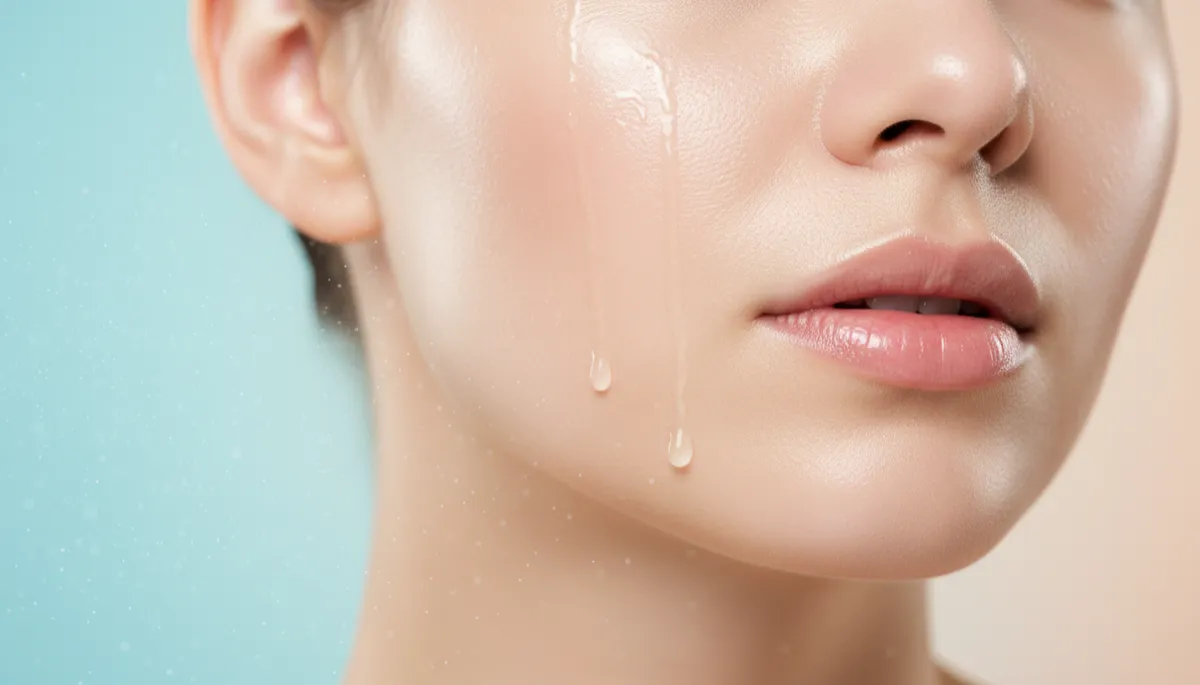
Let’s clear something up: real “Korean glass skin” is not a greasy face, a TikTok filter, or the result of scrubbing your barrier into oblivion. It’s the visible side effect of skin that is calm, hydrated, and structurally sound. No shortcuts, no kitchen acids, no drama—just science and consistency.
So… What Actually Is “Glass Skin”?
When professionals talk about glass skin, we mean skin that appears clear, luminous, pore-less, and deeply translucent. Think of light gliding across the surface instead of getting stuck on texture, flakes, or inflamed bumps. It’s not that pores magically disappear; they’re simply refined, calm, and not screaming for attention.
The biggest misconception? That glass skin is something you can paint on with thick oils or force out with endless exfoliation. No. Real glass skin is the visual outcome of deep cellular hydration and an intact lipid barrier—not a layer of slippery product sitting on top of angry, overworked skin.
⚠️ Reality Check: If your “glass” look disappears the second you wash your face, you don’t have glass skin—you have temporary shine.
The Science Behind That Glassy Luster
Your Stratum Corneum: The Surface That Makes Light Behave
The top layer of your skin, the stratum corneum, is where the glass effect is made—or destroyed. When this layer is smooth, flexible, and evenly hydrated, it acts like a polished surface. Light reflects evenly, so you see that soft, almost “wet” luminosity without actual greasiness.
When the stratum corneum is rough, over-exfoliated, or dehydrated, light scatters off micro-cracks, flakes, and bumps. That gives you dullness, patchiness, and the opposite of glass—more like frosted window skin. Cute for decor, not for your face.
Transepidurmal Water Loss (TEWL): The Unsexy Acronym That Decides Your Glow
TEWL, or Transepidermal Water Loss, is how much water passively evaporates from your skin. When your barrier is healthy—lipids intact, corneocytes plump—TEWL stays low. Your skin holds on to water, cells stay juicy, and light reflects off a hydrated, even surface. That’s the “glass” bounce you’re chasing.
Strip your barrier with harsh cleansers, DIY acids, or five exfoliants “because TikTok said so,” and TEWL shoots up. Water escapes, cells deflate, and your glow goes with it. You can’t hack glass skin while your barrier is in shambles—period.
💡 Pro Tip: If your skin always feels tight after cleansing or stings when you apply products, that’s your barrier waving a white flag, not “purging.”
From Trend to Treatment: Building a Real Hydrating Routine at Home
Now that we’ve broken up with the “scrub and pray” method, let’s talk about how to actually build a routine that supports glass skin: gentle hydrated cleansing, strategic hydration layering, and smart barrier support. No 20-step circus required—just intentional, barrier-respecting steps.
📌 Want to go deeper? Want to master hydrating layering and barrier care at home? Download our digital skin guides and online PDFs here: [INSERT PDF GUIDE LINK HERE] for step-by-step product layering blueprints.
The Clinical Blueprint: How We Actually Get to Glass Skin
Step 1: Gentle Cleansing That Doesn’t Wreck Your Barrier
If your cleanser leaves you “squeaky clean,” it’s probably also leaving you stripped. Glass skin starts with respecting your natural oils—they’re part of your barrier, not the enemy. Look for:
Low-foam or cream/gel cleansers with a skin-friendly pH (around 5–6)
No strong fragrances, sulfates, or “tingly” menthol gimmicks
Double cleansing only if you’re wearing SPF and makeup—not as a personality trait
The goal: remove SPF, makeup, and daily grime while leaving your lipid barrier largely intact. If your face feels tight or looks matte-dull right after cleansing, that’s a red flag, not a flex.
Step 2: Hydration Layering With Lightweight, Water-Binding Actives
This is where the glass effect starts to build. Instead of slapping on one heavy cream and calling it a day, we use layers of lightweight hydration that sink in, bind water, and plump cells from within. Think:
Hydrating toners and essences with glycerin, panthenol, or low–molecular weight hyaluronic acid
Restorative mists that add water and soothing ingredients, not just fragrance and alcohol
Serums with humectants (like beta-glucan) and barrier-friendly actives (like niacinamide at gentle percentages)
You’re essentially stacking water into the skin in thin, drinkable layers instead of smothering it with one occlusive, waxy blanket. Heavy pore-clogging balms and thick oils on compromised skin do not equal glass—they equal congestion and breakouts pretending to be “dewy.”
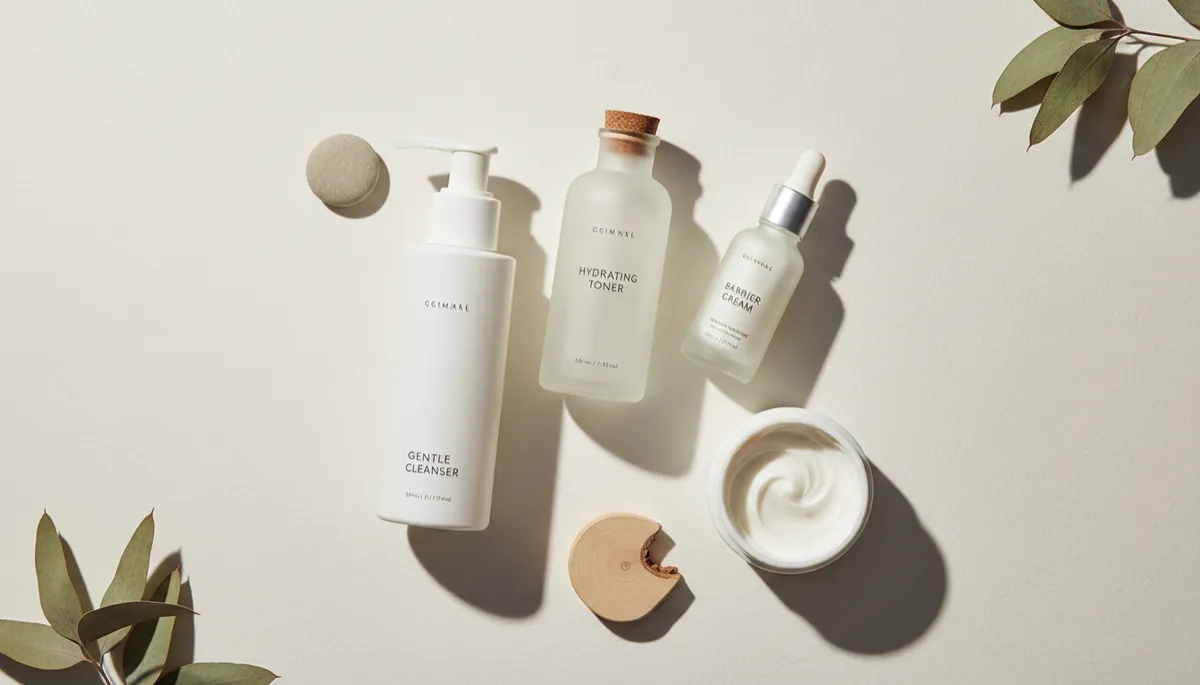
Strategic, lightweight hydration layers build real translucency—not just temporary shine.
Step 3: Barrier Support & Smart Occlusion to Lock It All In
Once you’ve given the skin water, you need to keep it there. That’s where barrier-supportive creams come in. Look for formulas with:
Ceramides to help rebuild the lipid matrix between cells
Cholesterol and fatty acids to mimic your skin’s natural barrier composition
Optional light occlusives (like squalane or dimethicone) to reduce TEWL without suffocating pores
This step is about sealing in the hydration you just layered, so those plump, reflective cells stay that way. Think “flexible protective film,” not “cling wrap suffocation.” If your skin feels greasy and smothered, the formula or amount is wrong for you.
Professional Boost: When You Want to Fast-Track the Glow
Home care is the foundation, but if your barrier is already stressed, congested, or wildly dehydrated, a clinical treatment can act like a reset button. Professional protocols allow for controlled exfoliation, targeted infusion, and barrier rebuilding that you simply can’t DIY safely—no matter what social media tells you.
✨ Signature LPB Facial: Ready to kickstart your glow with a custom clinical treatment? Experience the ultimate deep hydration reset with our Signature LPB Facial—book or explore the treatment here: [INSERT LPB FACIAL BOOKING LINK HERE].
In-clinic, we can combine gentle clinical exfoliation, deep hydration infusion, and barrier-repairing masks tailored to your skin type and damage level. The goal isn’t to leave you red and raw; it’s to send you home with skin that’s calmer, more even, and better able to hold onto hydration—so your at-home routine actually works harder for you.
The Real Secret: Glass Skin Is Just Healthy Skin, Consistently Cared For
At the end of the day, glass skin is not a product, a filter, or a one-night mask. It’s a reflection of:
A calm, intact skin barrier with low TEWL
Consistent, gentle routines instead of trend-hopping and over-exfoliating
Layered hydration and smart barrier support, not suffocating oils and scrubs
You don’t have to chase every viral hack to get there—in fact, that’s usually how people end up in my treatment room with sensitized, reactive skin. Slow, smart, and barrier-first will always beat aggressive and trendy.
If you’re honest with yourself, where is your barrier right now—thriving, a little fragile, or full-on crisis mode? Explore our facial treatment options and lets get started with your korean glass skin journey: Our Facial options here!