

Skin Health, Acne, Holistic Naturopathic Care
Understanding Your Acne from Within: The Naturopathic & Internal Approach to Clear Skin
By Your Esthie with the Bestie, Deana 💕💖 | Award- Winning Clinical Aesthetician, South Edmonton
Published: November 26, 2026
If you’ve cycled through every spot treatment, scrubbed your face like it wronged you, and still wake up to new breakouts, your skin is not the problem—your strategy is. Acne is not a random curse; it’s an inflammatory response and often a very loud, very persistent message from your internal systems asking for support, not punishment.
Why Your Skin Is Still Breaking Out (Even Though You’ve Tried Everything Topical)
Let’s be honest: the traditional “attack your acne” approach is exhausting. You dry it out, it flakes. You scrub it, it gets angry. You nuke it with benzoyl peroxide, it calms down for five minutes and then invites three new cystic friends to the party on your jawline. If this sounds familiar, you’re not “resistant” or “difficult.” You’re dealing with a skin barrier that’s overworked and an internal system that’s under-supported.
Acne is fundamentally inflammatory. Your pores are not just dirty; they’re reacting to signals coming from inside your body—think gut imbalances, hormone fluctuations, blood sugar rollercoasters, sluggish detox pathways, and nutrient gaps. Your skin is a mirror, not a malfunction. When we only throw harsh topicals at it, we’re basically telling the messenger to shut up instead of asking what the message actually is.
💡 Real talk: If your acne comes back the second you stop the prescription cream, you’ve managed symptoms, not the root cause. That’s fixable—but not with more burning and stripping.
The Naturopathic & Internal Root Causes of Acne
As a licensed medical esthetician and skin barrier specialist, I love a good, well-formulated serum. But for persistent, cyclical, or adult-onset acne, we have to zoom out. Holistic, naturopathic acne care asks: What is your skin trying to tell us about your gut, your liver, your hormones, and your overall inflammatory load? Let’s break down the main internal drivers I see over and over in chronic acne cases.
1. The Gut–Skin Axis: When Your Digestion Shows Up on Your Face
Your gut and your skin are in constant conversation. The community of microbes in your intestines—your microbiome—helps regulate immunity, inflammation, and even certain hormones. When that community is out of balance (dysbiosis), your skin often pays the price with breakouts, redness, and chronic congestion that just won’t quit.
Microbial dysbiosis: Overgrowth of less-friendly bacteria or yeast can increase systemic inflammation and alter how your immune system reacts, including in your pores. Translation: more inflamed papules and pustules, especially on the cheeks and jawline.
Sluggish digestion: Constipation, bloating, or that “always full” feeling after meals can signal that waste and hormones aren’t moving out efficiently. When elimination slows, your body looks for other exits—hello, skin.
Compromised gut lining (“leaky gut” tendencies): When the gut lining is irritated or more permeable than it should be, tiny particles can slip into the bloodstream and trigger immune and inflammatory responses. For acne-prone skin, that often looks like persistent, inflamed breakouts that flare with certain foods or stress.
If your skin flares after antibiotics, certain foods, or every time your digestion gets off track, your breakouts are likely part of your gut story—not just a topical one. Supporting digestion, bowel regularity, and microbial balance is non-negotiable for long-term acne calm.
2. Liver & Detoxification: When Your Hormones Need Better Housekeeping
Your liver is your chemical processing plant. It helps break down excess hormones, environmental toxins, and metabolic byproducts so they can leave the body through bile and urine. When this system is overburdened or under-supported, those compounds can circulate longer than they should—and your skin often becomes a secondary detox organ, showing it through congestion and breakouts.
Hormone metabolism: The liver helps process estrogen and androgen metabolites. If that processing is sluggish, you can see patterns like jawline and chin acne, cyclical flares before your period, or deep, painful cysts that coincide with hormonal shifts.
Congested elimination pathways: If bile flow, bowel movements, or hydration are off, your body has a harder time escorting waste out. That “backlog” can show up as dull, congested skin that never fully clears, no matter how many extractions you get.
Supporting liver function is not about extreme juice cleanses or starvation “detoxes” (please no, your skin barrier is begging you). It’s about consistent, gentle support: adequate protein, fiber, bitter foods, hydration, and giving your body a break from excessive alcohol, ultra-processed foods, and constant blood sugar spikes that keep inflammation high.
3. Hormones, Insulin & Stress: The Perfect Storm for Oily, Congested Skin
Hormones are one of the loudest internal drivers of acne. You don’t need a diagnosis like PCOS to have hormonally influenced breakouts; subtle imbalances can absolutely show up on your skin. The biggest players: androgens, insulin, and cortisol (your stress hormone).
Blood sugar & insulin: Frequent blood sugar spikes from refined carbs and sugary drinks cause insulin to surge. Elevated insulin can increase androgen activity, which ramps up sebum (oil) production and keratinization inside the pore. That’s a recipe for clogged, inflamed breakouts—especially on the lower face and back.
Androgens (like testosterone and DHT): These hormones tell your sebaceous glands to get busy. When they’re high or your skin is extra sensitive to them, you’ll see oilier skin, more congestion, and deeper lesions. This is common in puberty, around ovulation, pre-period, and in conditions like PCOS.
Cortisol & stress: Chronic stress keeps cortisol elevated, which can disrupt blood sugar, sleep, digestion, and immune function—all of which feed into acne. If your skin flares every time life gets chaotic, that’s not random; that’s physiology.
Balancing hormones doesn’t mean perfection; it means stabilizing blood sugar with balanced meals, supporting stress resilience (sleep, nervous system regulation, actual rest), and in some cases working with a provider to investigate deeper endocrine patterns. Your skin will absolutely reflect that internal calm.
4. Nutrient Status: The Micronutrients Your Skin Is Quietly Craving
You can’t out-serum a chronically undernourished system. Certain nutrients play starring roles in inflammation control, cell turnover, and barrier repair. When they’re low, acne-prone skin tends to be more reactive, slower to heal, and quicker to scar or hyperpigment. Four big ones I watch closely:
Zinc: Helps regulate sebum production, supports immune function, and has anti-inflammatory properties. Low zinc status is commonly associated with more inflamed, persistent acne and slower healing of lesions.
Vitamin A: Crucial for healthy cell turnover and keratinization—basically how your pores shed. It’s the internal cousin of retinoids. Too little can mean more clogging; too much (especially from supplements) can be toxic, so this one needs professional guidance, not DIY megadoses.
Vitamin D: Modulates immune responses and inflammation. Low vitamin D is common and can be one piece of the puzzle in chronic inflammatory skin conditions, including acne.
Omega-3 fatty acids: These are anti-inflammatory powerhouses that help balance the more pro-inflammatory omega-6 fats common in modern diets. Adequate omega-3s can help calm redness, tenderness, and overall inflammatory load on the skin.
None of these nutrients are magic bullets on their own, but when we optimize them as part of a bigger strategy, your skin finally has the raw materials it needs to repair, regulate, and calm the heck down.
📌 Key takeaway: If your internal terrain is inflamed, undernourished, and overwhelmed, your pores are just doing their best to cope. Our job is to support the system, not punish the surface.
Ready to Stop Guessing? Your Step-by-Step Internal Acne Roadmap
If you’re reading this thinking, “Okay, this makes sense, but where do I even start?”—you are exactly who I created my internal acne blueprint for. You don’t need more random tips from ten different TikToks; you need a structured, evidence-informed plan that connects your gut, hormones, liver, and barrier health into one clear roadmap.
✨ Ready to stop guessing and uncover your unique root-cause acne triggers? Get instant access to our comprehensive Acne Management Digital Guide ($15) for a deep dive into internal triggers, dietary support frameworks, supplement considerations, and barrier-repair blueprints you can start at home. Get your complete step-by-step roadmap for internal and topical acne recovery here: [INSERT ACNE DIGITAL GUIDE PURCHASE LINK HERE].
This guide is designed to walk you through the exact questions I ask in a one-on-one intake: digestive check-ins, hormone pattern mapping, lifestyle stressors, plus a realistic, barrier-safe topical routine that doesn’t require thirty products or a second mortgage. It’s your “start here, breathe, and follow the map” resource.
Bridging Internal Root Causes with Clinical Topical Care
Here’s the part most people miss: internal work and topical care are not either–or. They’re a partnership. You can be doing beautiful gut and hormone work, but if your barrier is shredded from over-exfoliation, your skin will stay irritated and reactive. On the flip side, you can have the gentlest, most elegant skincare routine on earth, but if your blood sugar is spiking all day and your digestion is a mess, breakouts will keep cycling back.
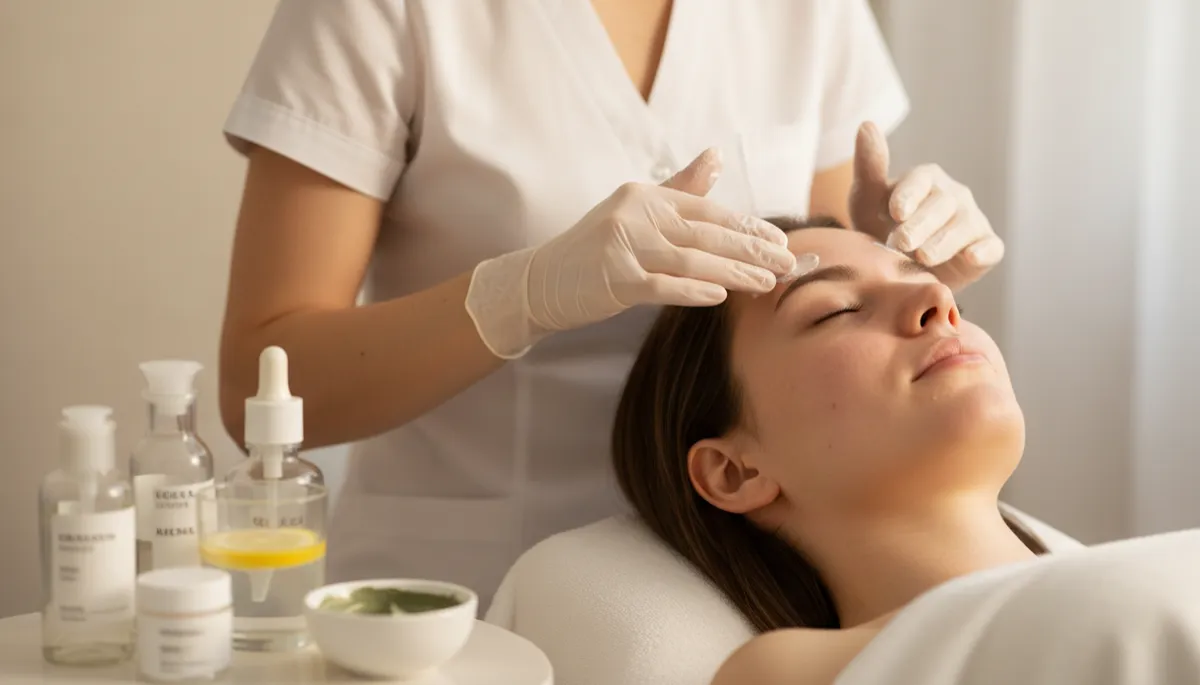
When internal support meets barrier-first treatments, skin can finally heal instead of just cope.
How Clinical Topical Care Supports Internal Healing
Clearing surface congestion (gently): Professional extractions, barrier-safe exfoliation, and targeted actives help remove existing blockages so your pores can function normally. This reduces the “traffic jam” while you work on the internal drivers that created it in the first place.
Soothing inflammatory lesions: Calming, anti-inflammatory ingredients and modalities help reduce redness, pain, and swelling. When your skin isn’t constantly in crisis mode, it can respond better to the internal changes you’re making.
Strengthening the stratum corneum (outer barrier): A resilient barrier keeps moisture in and irritants out. That means fewer flare-ups from everyday triggers and less post-inflammatory hyperpigmentation and scarring after breakouts do occur.
Think of it this way: your internal work is turning down the volume on the fire alarm, while your topical work is repairing the walls and opening the windows. You need both if you want to live in the house comfortably again.
Pair Your Internal Blueprint with a Clinical Reset: The Signature LPB Facial
Sometimes you just need a professional to get eyes (and gloved hands) on your skin. If you’re tired of trying to decode your breakouts alone, a targeted, barrier-first facial can give your skin the reset it’s been begging for while we map out your internal plan.
💆♀️ Tired of dealing with active breakouts on your own? Combine your internal blueprint with a custom clinical reset. Start your healing journey with our Signature LPB Facial—a barrier-preserving, acne-focused treatment customized to your unique skin and internal history. Book or explore our customized, barrier-first treatment here: Explore our LPB Facial Here.
During your session, we’ll assess your skin type, barrier integrity, breakout patterns, and product history, then design a treatment that supports—not assaults—your skin. Think: gentle but effective exfoliation, strategic extractions, calming masks, lymphatic support, and home-care recommendations that align with your internal work, not fight against it.\
Your Skin Is Not Your Enemy: Reframing the Acne Journey
Acne can be emotionally brutal. It impacts how you show up at work, in relationships, on camera, and even with yourself in the mirror. But here’s the reframe I want you to hold onto: your skin is not betraying you; it’s communicating with you. Every breakout pattern is data. Every flare is feedback. When we stop waging war on our face and start listening to our body, everything changes.
Clearer skin is not an overnight project, and anyone promising you that with a single product is selling you disappointment. Real, sustainable acne healing looks like:
Honoring your skin barrier instead of stripping it “clean”
Supporting gut, liver, hormone, and nervous system health so your skin isn’t constantly compensating
Nourishing your body with the micronutrients and healthy fats it needs to repair and regulate
Choosing targeted, barrier-first topical care instead of chasing every new “acne hack”
You deserve more than survival mode with your skin. You deserve a plan, support, and the education to understand what your body is asking for. Whether you start with the Acne Management Digital Guide, come in for the Signature LPB Facial, or both, know this: your acne is not a personal failure. It’s an invitation to deeper care—inside and out.
Clear skin is a journey of listening, adjusting, and partnering with your body instead of fighting it. And you don’t have to do that journey alone.