
Skin Health, Weight Loss, Skin Barrier
Weight Loss and Skin Elasticity: What Happens to Your Skin Barrier & How to Support It
By Your Esthie with the Bestie, Deana 💕💖 | Award- Winning Clinical Aesthetician, South Edmonton
Published: November 06, 2026
You worked hard to lose the weight, and now your skin is… not quite getting the memo. Loose areas, creasing, dryness, and a suddenly “older” look can feel like a betrayal, but your skin is simply responding to years of stretching and rapid change.
What Really Happens to Skin When You Lose Weight
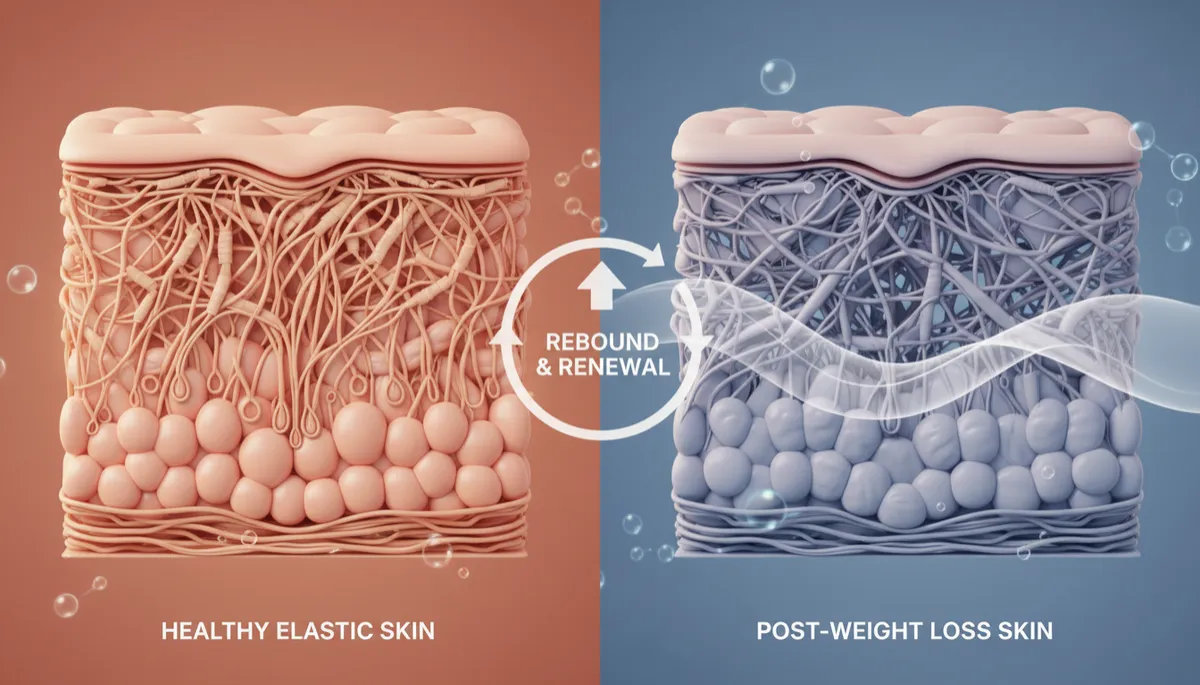
Skin is not a rubber band; it is living tissue made of collagen, elastin, lipids, and water. When your body size changes, that tissue has to renegotiate its shape, structure, and workload, and it does not always keep up with your timeline.
Over years, collagen and elastin fibers stretch to cover increased volume. Their “rebound rate” slows, so when fat volume drops quickly, skin can look looser, softer, and less plump—especially on the face, neck, arms, abdomen, and thighs.
Collagen & Elastin: The Architecture Behind Firmness
How Weight Loss Impacts Structural Proteins
Collagen is your scaffolding; elastin is your built-in stretch and snap. With age, UV exposure, inflammation, and hormonal shifts, both naturally decline and become more fragile. Now add weight gain, then weight loss, to the mix.
When weight drops rapidly, your body may be in a caloric and nutrient deficit. That means fewer raw materials for collagen synthesis, slower cellular regeneration, and a higher chance that existing fibers break down instead of rebuilding with you.
Rapid Change vs. Skin’s Slower Timeline
Skin remodels on a months-to-years timeline, not a “12-week challenge” schedule. Aggressive dieting, sudden fat loss, or intense cardio with minimal recovery can outpace your skin’s ability to adapt structurally, so laxity becomes more visible.
Translation: the faster and harsher the protocol, the more likely you are to trade inches off your waist for etched-in lines around the mouth, deflated cheeks, and crepey texture on the body. That is not “aging overnight”—it is collagen compromise.
Your Skin Barrier, Hydration & Transepidermal Water Loss (TEWL) During Weight Loss
Why Dehydration Makes Laxity Look Worse
The skin barrier is your outermost defense layer—lipids, corneocytes, and natural moisturizing factors keeping water in and irritants out. Weight loss often comes with more sweating, more caffeine, less dietary fat, and less overall intake. Your barrier feels all of it.
When barrier lipids are depleted, your TEWL increases. The surface dehydrates, fine lines etch in, and existing laxity looks sharper. Dry, tight, crepey skin is not just “texture”—it is a barrier waving a white flag.
Harsh Diets, Harsh Products, Compromised Barrier
Pair a strict diet with stripping cleansers, over-exfoliation, or “fat-burning” body products, and you have a perfect storm. You are asking skin to shrink, renew, and glow while removing its protective oils and starving its cells. That is not discipline; it is barrier sabotage.
Supporting elasticity means respecting the barrier: replenishing lipids, maintaining hydration, and using actives that stimulate collagen without inflaming already-stressed tissue.
Navigating skin changes at home? Explore our specialized digital skin guides and online PDFs Here for step-by-step routines on barrier preservation and hydration.
Why Professional Treatments Matter When Elasticity Is Involved Homecare Is Essential—but Not Sufficient
Serums, moisturizers, and barrier-focused routines absolutely matter. They keep the surface hydrated, reduce inflammation, and protect what collagen you have. But once structural elasticity is compromised, topicals alone cannot lift or tighten sagging tissue.
Think of homecare as daily rent and clinical treatments as your long-term investment. You need both if you want firmness, not just temporary “dewy” skin that still collapses when you smile or bend your arm.
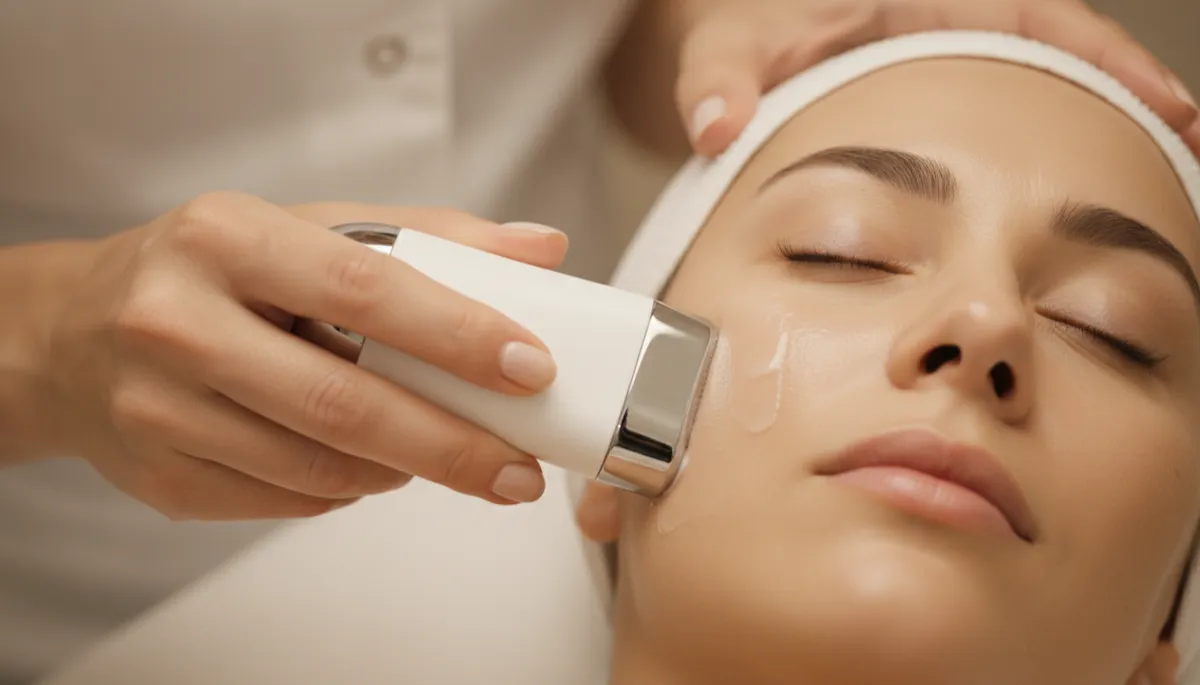
Targeted clinical treatments help rebuild collagen while deeply rehydrating a stressed skin barrier.
Clinical Tools That Support Collagen and Structure
Professional treatments can safely stimulate fibroblasts, encourage new collagen, and drive hydration deeper than your bathroom shelf can reach. Depending on your skin and health history, this may include controlled collagen-stimulating modalities, barrier-repair facials, or advanced hydrating protocols.
The goal is not to attack your skin into firmness. It is to guide it: strengthen the barrier, improve circulation, support lymphatic flow, and nudge collagen production in a way that respects your skin’s age, history, and current stress load.
Ready to restore structure, balance, and hydration to your skin? Start your journey with our Signature LPB Facial—book or explore the treatment here: [INSERT LPB FACIAL BOOKING LINK HERE].
Digital Guides: Your At-Home Blueprint for Barrier Preservation
If you are changing your body, your skin deserves a plan—not guesswork and TikTok experiments. Targeted digital guides give you clear, step-by-step routines for morning and evening, plus product categories that actually support elasticity and barrier health during weight loss.
Done correctly, homecare becomes your daily micro-treatment: consistent hydration, strategic exfoliation, collagen-supporting ingredients, and non-negotiable barrier repair. That way, every pound lost is not another hit to your skin integrity.
Long-Term Skin Health During Weight Changes
Your skin is not disposable, and it does not reset just because your diet did. Preserving collagen, elastin, and barrier function is a long-term strategy, not a “post-goal weight” afterthought. The earlier you support your skin, the better it will respond as your body shifts.
If you are in the middle of weight loss—or recovering from a rapid change—this is your invitation to treat your skin like the organ it is, not an accessory. So if you're ready to make progress while you're losing that weight: Lets create a skin plan right for your skin type and concerns. Explore our LPB Facial Here